🚀 Elevate Every Frame — Capture the Future in Ultra-High Definition
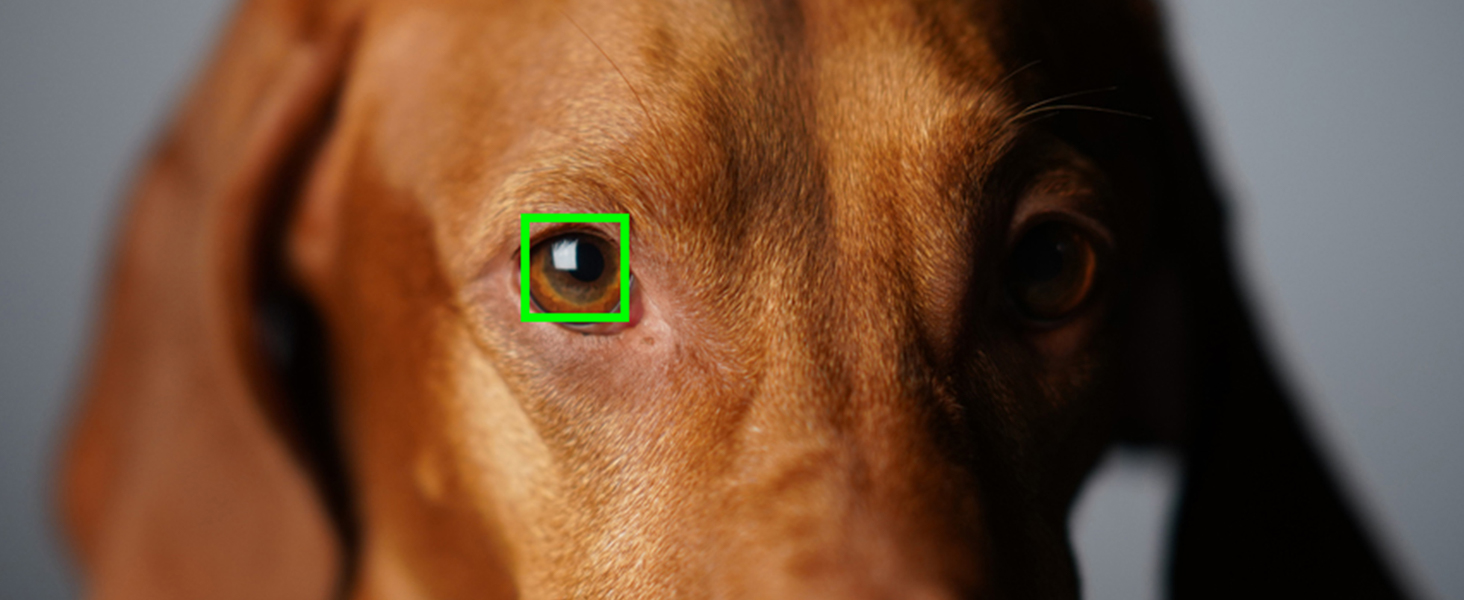
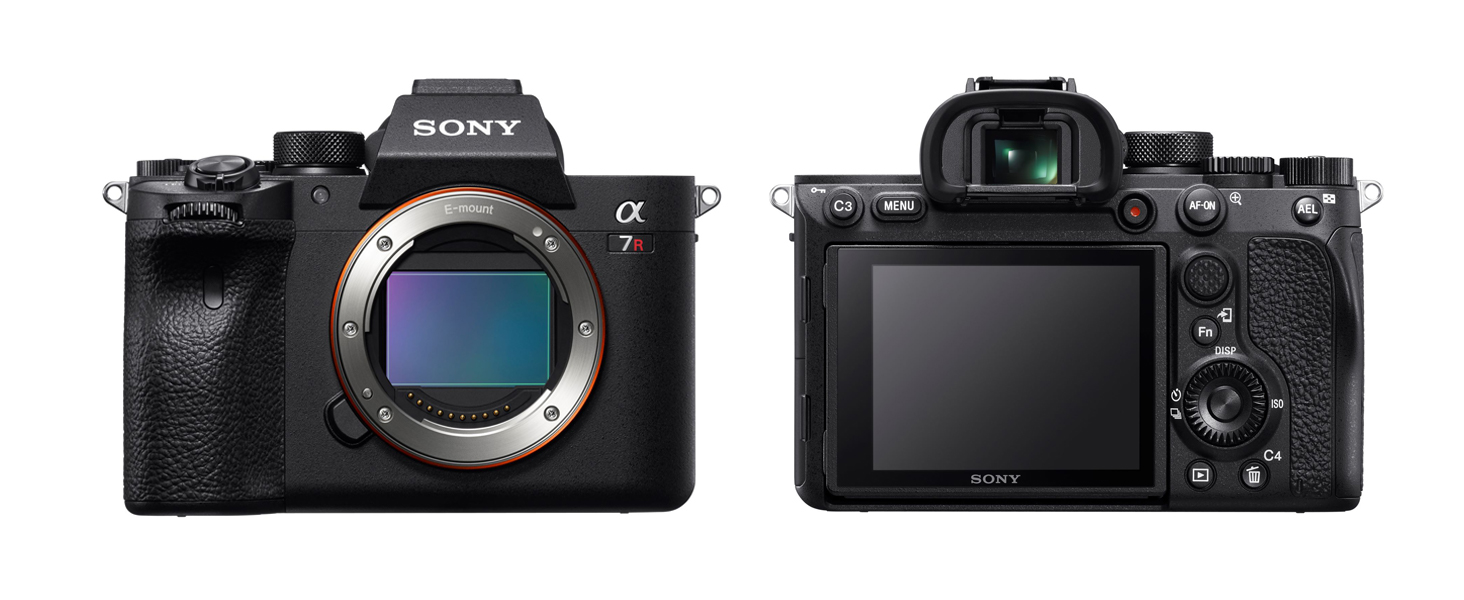
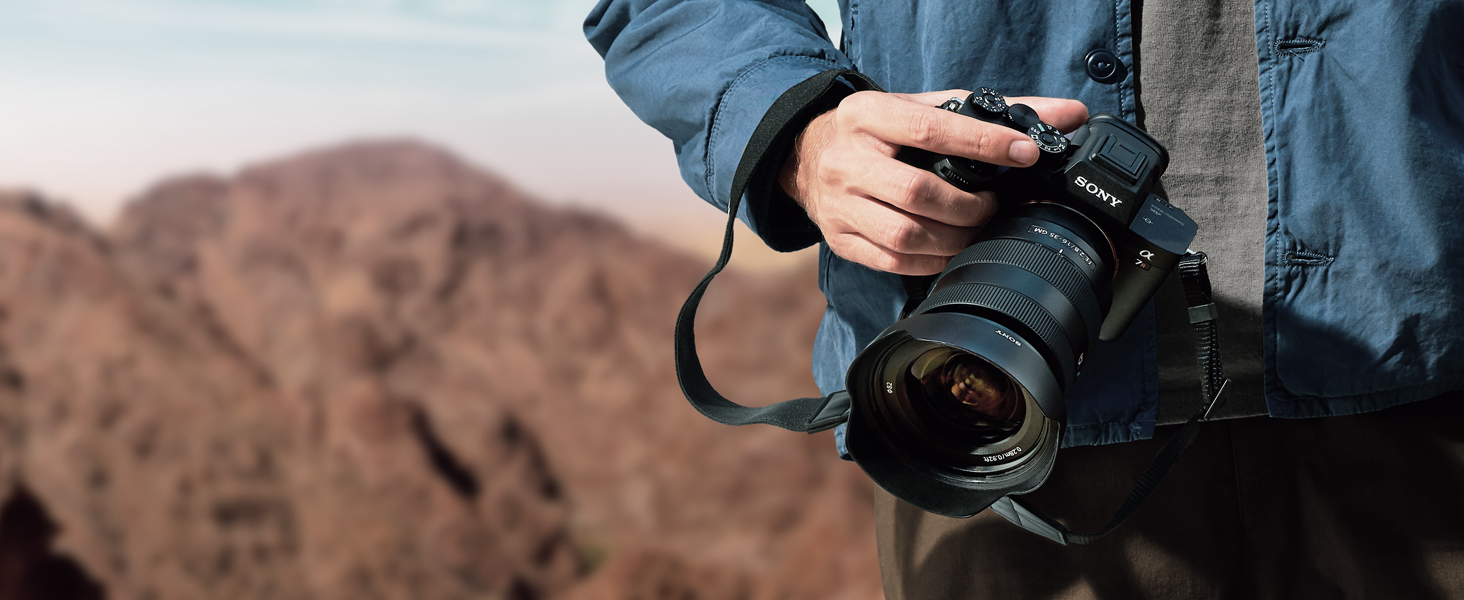
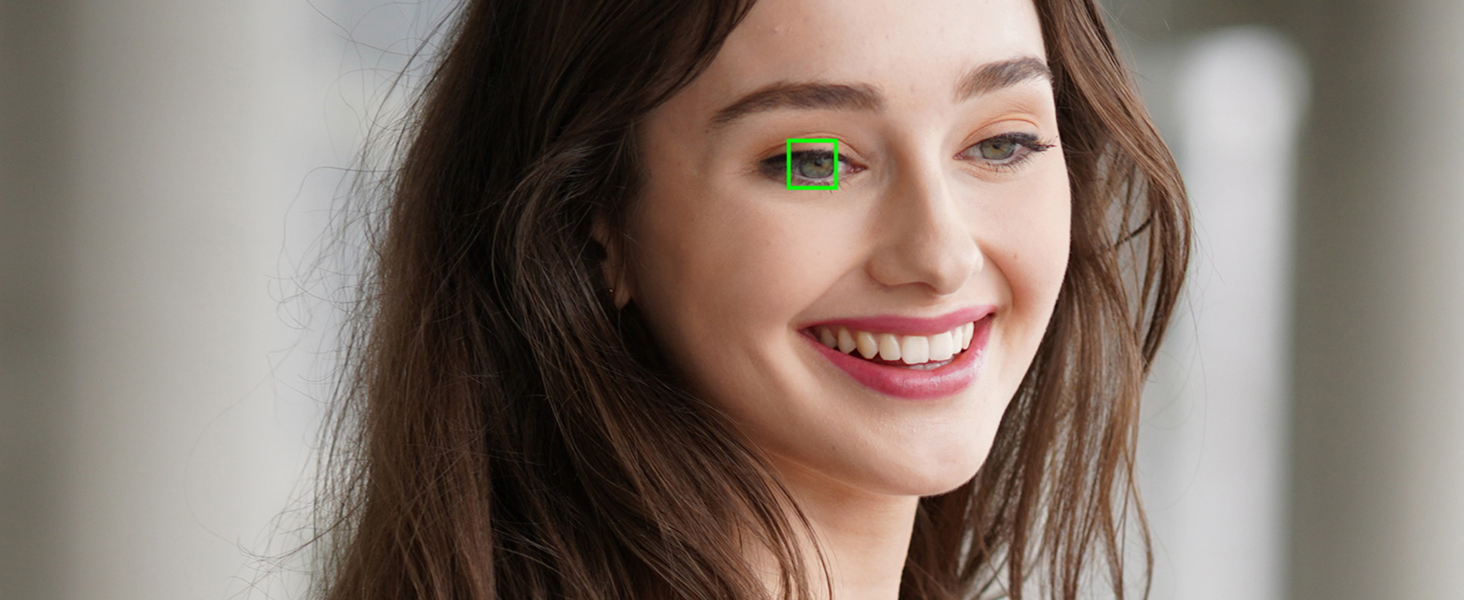
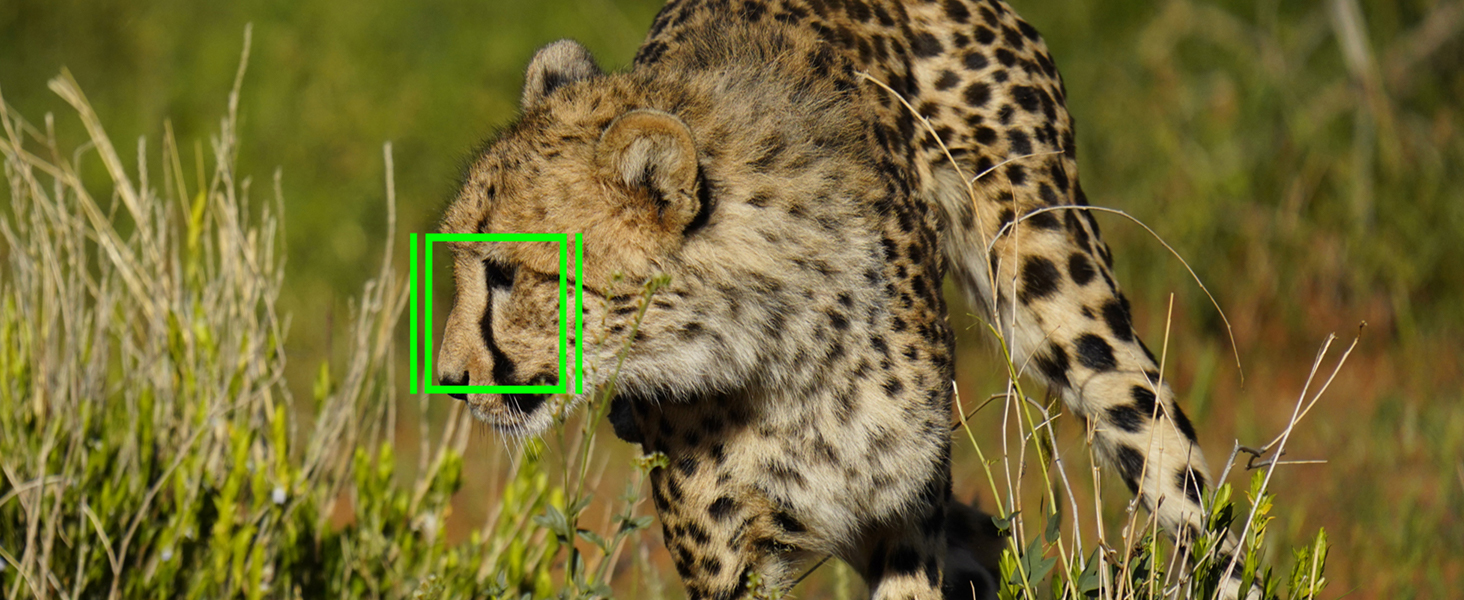
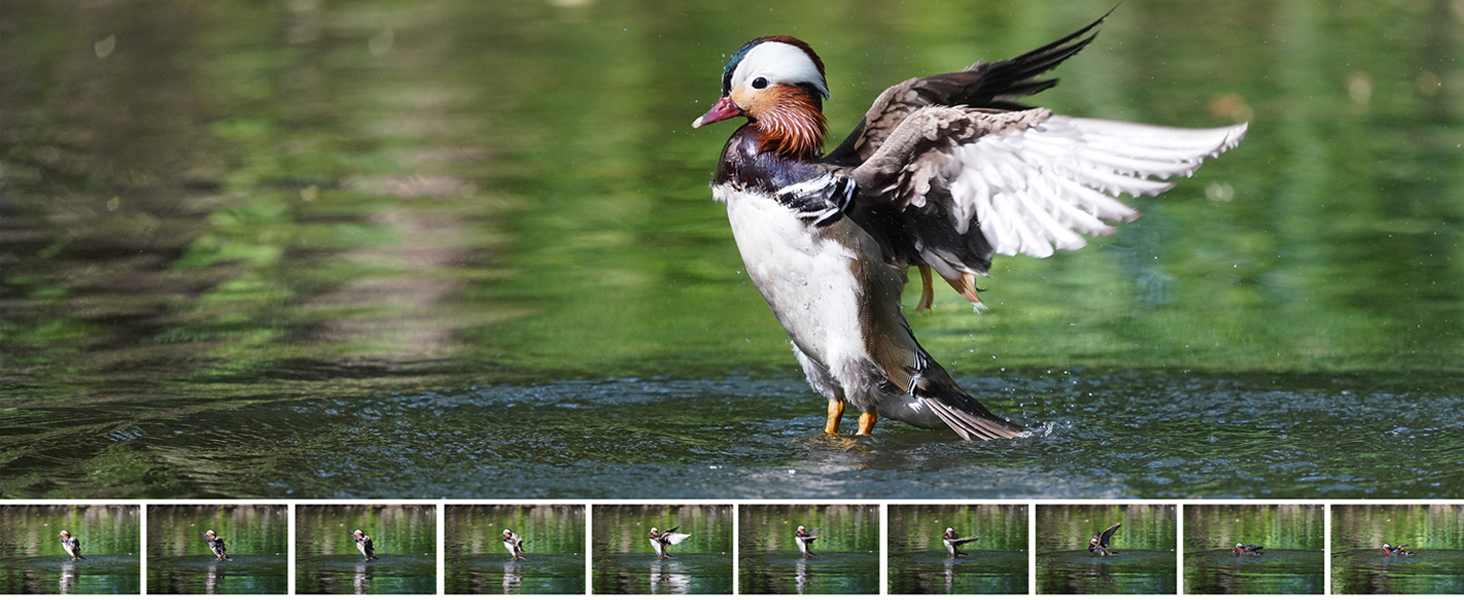
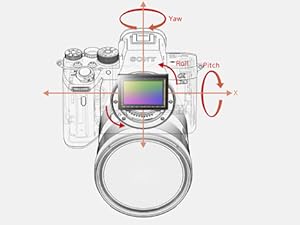
The Sony A7R Mark IV is a powerhouse full-frame mirrorless camera featuring a 61MP Exmor R BSI CMOS sensor, advanced BIONZ X processor, and a 567-point phase-detection autofocus system. It supports UHD 4K30p video with professional-grade HLG and S-Log3 gammas, dual UHS-II SD card slots for secure storage, and built-in 5-axis image stabilization. Designed for professionals and serious enthusiasts, it combines ultra-high resolution with fast, reliable performance and versatile connectivity options.



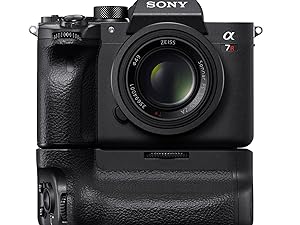
| ASIN | B07VGHW91J |
| Best Sellers Rank | #73,448 in Electronics ( See Top 100 in Electronics ) #135 in Mirrorless Cameras |
| Item model number | ILCE7RM4/B |
| Manufacturer | Sony |
| Product Dimensions | 13.03 x 9.86 x 7.95 cm; 577.88 g |
A**N
Incredible camera. I upgraded from the A7iii and I am amazed by the picture quality and the ability to crop the photos and still retain the resolution. I took it on a recent trip to Key West for a wild dolphins watch. I am so glad I brought the A7riv with me. I was able to take some amazing pics of the dolphins from far away using the Tamron 28-75mm f/2.8 and then crop in. The focus tracking works amazingly well as well. Noise is definitely worst then the A7iii in low light situation. But I am willing to live with that with all the other amazing features of the A7Riv.
O**E
The A7R4 isn't for everyone, but if your niche meets the needs of high resolution and mirrorless performance, it is fantastic. Combined with the Sony 90mm Macro I can attain tac sharp focus handheld on insect eyes. I can shoot tiny jumping spiders, assassin bugs, flowers, lichen, moss, and all kinds of incredibly tiny subjects. APSC mode (or crop in Lightroom) makes this both the highest resolution Full Frame as well as a phenomenal Crop Sensor camera. Win win! Combined with Sony 24-70 F2.8 GM, I can shoot all of my day-to-day non-macro photos. Things like street photography, infant photography, family photos, and more. If dual memory card slots is critical to you, then this is a feature you need and will love. Most mirrorless cameras (ie Nikon) are a dang joke! So sad! Seriously, if you don't have dual cards in the camera then it is just a toy, not a tool. Professionals can't risk loosing photos. File size is huge, managing space might be hard, a fast computer will help in processing and managing your files. Google drive doesn't support Sony RAW files, so I also save jpg versions for quick viewing. More space gone... more upload time required. The app is actually really great for a newer app. Connecting works all the time, but only if you do things in a particular order. They should fix that... I can control my exposure triangle from the app, shoot, and review a low resolution sample. Great for a remote shutter. Doesnt let me touch to focus... would love remote focus with focus magnifier. Would die for the same with a focus stacking mode from the app. I might be a dreamer though, probably won't ever see this. Ok, and the back screen. Seriously Sony?! Still poor resolution, but the biggest sin is that the screen still doesn't flip around like canon cameras! Holy smokes, catch a clue Sony! Vloggers are a huge deal, stop ignoring them! At least the app can give you a remote live view experience on your cell phone. So that seems to be a workaround for me. But I can see that not working well for people that blog a lot. Most people could do well with an A7R3 instead. Could you benefit from the savings? Could you use that for more accessories or glass? Would that help you more than the resolution jump? Maybe! For macro, the super high resolution is really a big help. Know your needs! Hope this helps you decide on your next camera! I love my Sony A7R4!
S**A
Easy to handle.Silent operation. Amazing picture quality. Good range of excellent lenses. Bit expensive though.
Y**G
I have owned every A7r camera including the original, A7rii, A7riii, and now the A7riv. The A7riv is the first big image quality improvement in years! Is it worth it to upgrade to 60MP? Definitely but be aware that this still a specialized camera and not an action camera. The camera industry remained stead at the 24MP range for years now. In the past year the Canon R5 and R6 cameras have pushed the envelope and the new megapixel race is back in full swing. Usually high megapixel wars were more about bragging rights and marketing than actual usability. Noise and image quality decreases with higher resolutions due to smaller physical pixels. This remains true with the A7riv's 60MP sensor over the A7riii's 42MP. However the increased resolution minimalizes the perceivable noise increase (You won't see it unless you pixel peep). In addition, the higher resolution helps with sharpness, contrast, and cropping flexibility across the board and you get an overall better camera. The Good: Image Quality. As mentioned above 60MP improves sharpness and cropping flexibility. There is some degradation of dynamic range and noisier ISOs. But again, since the resolution is much finer, the small amounts of noise introduced is much less noticeable at these resolutions. When used with uncompressed RAW (see below) you get much better ISO and dynamic range. Cropping. I cannot emphasize the ability to crop with 60MP. The larger megapixel count gives greater range of flexibility to crop, refocus, and recompose photos in post. Often I change the entire composition of a photo with extreme cropping of my A7riv files. You can change full body portraits into headshots and retain excellent sharpness. Reframe centered subjects to align with rule of thirds or vice versa. The ability recompose shots afterwards is amazing! Autofocus. The A7riv has a significantly improved AF that covers much more of the sensor than the A7riii. The A7riii just added a few more contrast detection points over the A7rii but the A7riv has PDAF points nearly covering the entire sensor. With my A7riii it was very difficult to eye-AF on subjects on the corners of the sensor. With the A7riv, unless your subject is on the very edge of the sensor, you will have full AF functionality including eye-AF. Furthermore the AF is much snappier and eye-AF finds the eye faster and stays locked on in dimmer conditions and further away than the A7riii. Battery. The camera still uses the newer Z batteries that comes with the newer generation of Sony cameras. The Z Batteries have doubled life over the older W batteries. Getting such a long runtime with such a high MP camera is pretty great. IBIS stabilization. Sony was one of the first large companies to use IBIS in full frame cameras. 5.5 stops of stabilization is amazing and still makes handheld slow light photos seem like they were on a tripod. I am still amazed by this feature sometimes. Tests do show that in real world tests the A7riv has slightly better IBIS stabilization than the A7riii. Ergonomics/usability: Not much has changed over the A7riii. Every year, each new version of the camera is bigger, thicker, and heavier. The joystick feels nicer and the shape is more comfortable. The camera itself is slightly thicker which is better to hold for your hands. There are no glaring issues here. The bad: Dynamic Range. Dynamic range is on par with other cameras of this generation. However shadow recovery is slightly worse than the A7riii. This is mainly due to the use of Compressed RAW setting with continuous shooting. When using Compressed Raw and continuous/burst mode, the camera shoots at 12-bit instead of 14 bit. If you shoot in single shots with uncompressed RAW you can get much better dynamic range and shadow recovery. 60Mp files are huge and not easy to process and this camera is NOT an action camera. But the fact that you can get 10fps with a 60mp camera even at 12-bit is still pretty amazing. Processing speed: With 60MP, writing to SD cards is even slower than before. As previously mentioned you can improve image quality by using uncompressed raw which DOUBLES file sizes from around 59mb to around 117mb. This makes writing to a regular 90/95mb/s USH-I card EVEN SLOWER. You can't review images after each shot without waiting for the writing to clear. With continuous multiple shots it takes EVEN SLOWER! You can help alleviate this problem with faster UHS-II 300mb/s cards but at the time of this review these cards are RIDICULOUSLY EXPENSIVE. Sony really needs to implement compressed lossless RAW files as 60MP is nearing the limit and resolution will continue to creep up. Speed. This is not an action or sports camera, but it CAN handle some action at 10fps. As mentioned previously, shooting in burst and continuous does reduce quality a bit. If you are a wedding photographer or lifestyle/street photographer this will be fine for your needs. However if you are shooting sports, dance, motion, a dedicated action sports camera that can handle the speed without quality loss like the A1 or A9 would be better suited for you. Pixel shift. Pixel shift is a great feature on paper. The sensor shifts very slightly letting you get significantly better quality images by using quadrupling the color information in each pixel. However realistically you can't use it without some smearing or ghosting. Unless you are using it for perfectly static scenes you will get some sort of smearing. Wind moving tree leaves or grass, moving cars in cityscapes, any movement will throw off the sensor. I have never meaningfully used this feature. Additionally you need Sony's Edge software to compile the images which just adds to the processing steps. This is a great camera and a phenomenal upgrade. It does however have some limitations. For years the A7r series was the flagship camera of Sony's line. However we must remember this is really geared for landscapes and studio work were lighting conditions are controlled and you don't need to shoot fast action. Sony has diversified with the A9 and A1 line with the A9 being sports and the A1 being the dedicated all-around flagship camera with little compromises. For your everyday photographer who is not shooting ballet dancers or basketball games regularly, this should be perfectly suitable for their needs. Even professional wedding and street photographers will find little to complain about. Only the most demanding action photographers pushing the limits will want more.
A**S
I have Sony A7M3 & this is my second camera. The A7RM4A is one of the best camera from the Sony platform. If resolution and details are what you are looking for, close your eyes and go for it. ❤️
Trustpilot
1 month ago
2 months ago