
Descargar la aplicación


Servicios al cliente
Sobre nosotros
Copyright © 2025 Desertcart Holdings Limited
Descargar la aplicación
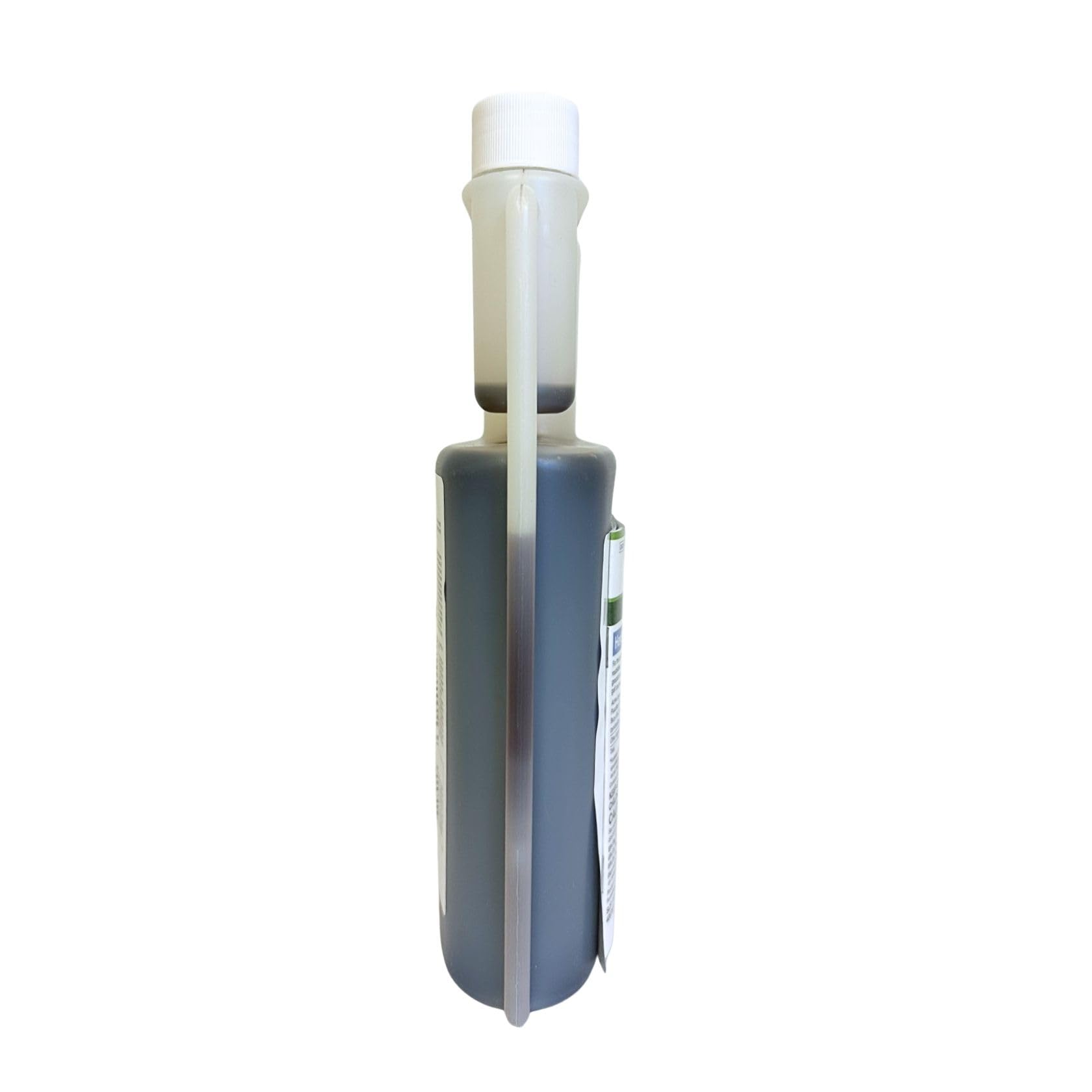
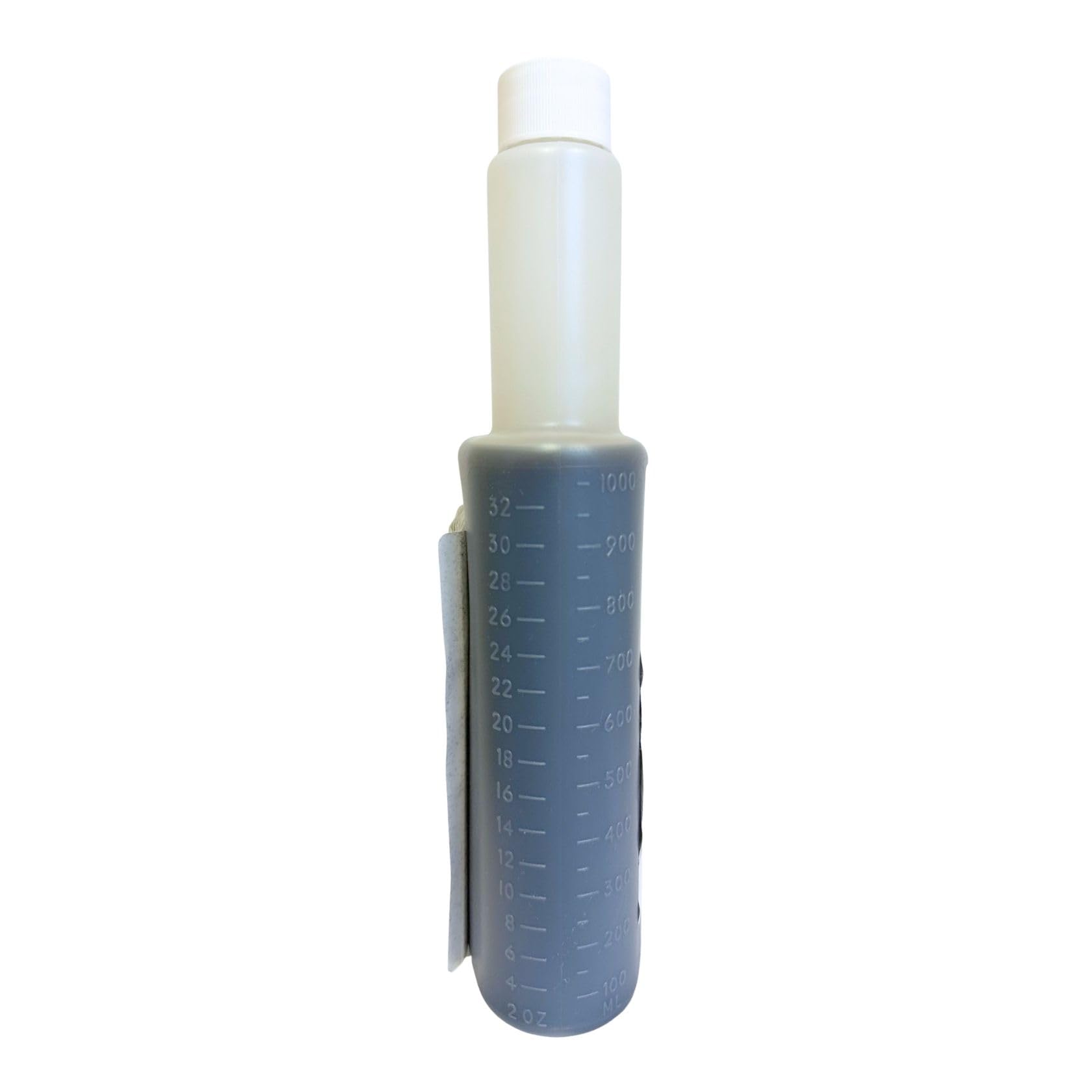
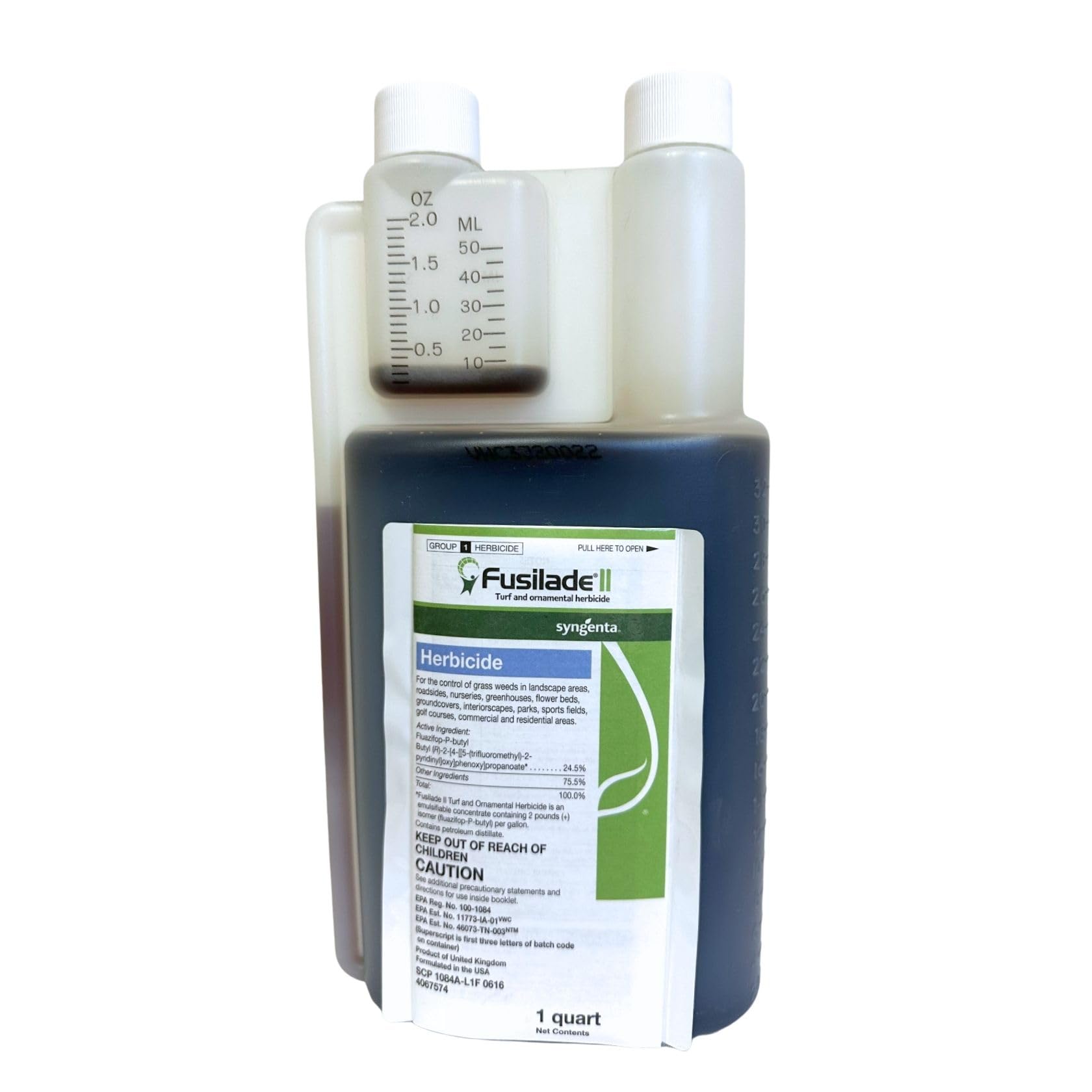
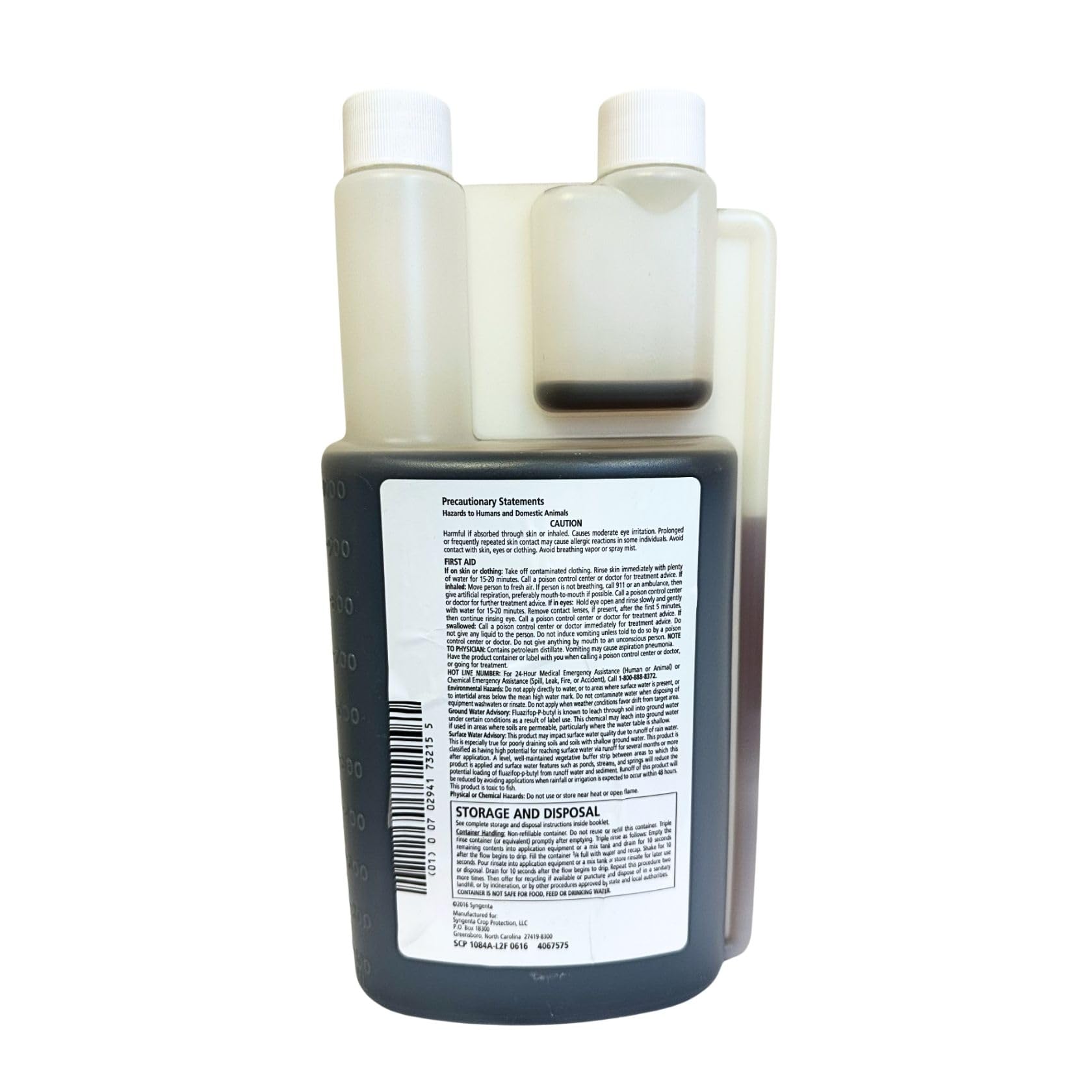
🌱 Outsmart weeds, not your lawn — the selective power play for pristine turf!
Syngenta Fusilade Selective Herbicide II 73215 is a manual-application herbicide designed to selectively eliminate perennial and annual grass weeds in turf and landscaped areas. It offers flexible use as a spot or over-the-top treatment without damaging ornamental plants, and becomes rainproof within one hour of application. Highly effective against invasive bermuda grass, it requires patience and proper dosing for optimal long-term turf health.
| ASIN | B0149IBXCC |
| Customer Reviews | 4.4 4.4 out of 5 stars (382) |
| Date First Available | 26 April 2022 |
| Item model number | Selective Herbicide |
| Manufacturer | Syngenta |
| Part number | 73215 |
| Power source type | Manual |
| Product Dimensions | 12.7 x 5.08 x 30.48 cm; 453.59 g |
J**K
First off, I owe a debt of gratitude to Joe from Tennessee for writing his excellent review on this product. Without the advice contained in his review, I likely would have done more damage to my lawn rather than helping it. I have an expensive, once beautiful zoysia lawn that has been badly invaded by evil bermuda grass. My lawn care company and an independent consultant both said there was nothing that could be done about it. I turned to “the internets,” and eventually found the research paper on the topic of bermuda invasions of zoysia grass published by the agricultural extension service in Tennessee, which recommends this product. Then I found the product here on Amazon, and read every review that mentioned zoysia, including Joe’s very thorough review. I bought this product and the Amazon-recommended surficant. The product arrived on the morning of the Fourth of July, 2019, ahead of schedule. I decided to apply the product right away even though it had rained the night before because it was already late in the year to apply the stuff in Texas and I was going out of town and it would be even hotter by the time I got back. According to multiple sources, ideally it would be applied around the first week in June, before the weather gets blazing hot, and should not be applied near the peak of summer). I mixed the poison and surficant at a rate of .2 ounces per gallon of poison and sprayed liberally. When I returned home four days later the bermuda was already browning, and the zoysia showed no impact. One month later, over 90% of the Bermuda that was sprayed is dead. Some of the zoysia sprayed is a little stunted, but it is all alive. A few sprigs of new Bermuda are popping up in the sprayed area. I will spray those in the fall. I failed to spray some other areas of the yard that had little bits of Bermuda, and in those areas the Bermuda is growing rapidly. My neighbor suggested that given the very small areas of these other invasions, that I make a mixture, put on a dish glove, put an absorbent garden glove over the dish glove, dip my hand in the mixture, and then gently grab the offending glass and pull on it, thereby rubbing the poison only where it is needed. I might try that in the fall to avoid any stunting of the zoysia at that time. Also, this fall, where I spray, I may experiment with an even more diluted solution of .1 ounces per gallon. This bottle offers enough poison to last a thousand years on an average sized lawn. Bottom line, this is miracle poison. I am very excited about the results I have had so far to a very vexing problem. Also, experiment with doses lower than that recommended on the bottle, especially later in the season and/or in blazing hot areas like Texas. Update: September 2020: I sprayed again in the late fall of 2019 at a rate of .1 oz./1 gal. The grass went dormant before I could determine a result. The remaining bermuda returned aggressively in spring 2020. I waited until late spring and spayed again at a ratio of .15/oz/gal. That, VERY slowly, killed almost all the remaining bermuda, but also stunted the zoysia’s spring growth. Now it’s fall, bermuda is all but completely gone, and the zoysia is slowly filling in the bald spots. My advice - be patient and play the long game, and you’ll win. I think the perfect dose for central Texas is .16-.18 oz./gal., and next spring, I will hit any patches as soon as the grass starts growing.
A**R
I am in a battle with bermuda grass in a turf type fescue lawn of 5 acres. Make no mistake, bermuda is much tougher to mitigate than any broadleaf you will ever face. To my knowledge, there are only 2 selective herbicides listed for use on bermuda in any cool season lawn. Fusilade is one and the other is Ornamec Over the Top. The key to mitigating the bermuda is kicking it while it's down which is in the spring when it first comes out of dormancy (usually mid-late May in my area) and the other opportunity is when it's going dormant in the fall. I ordered my Fusilade to have ready when we got our first frost which started sending the bermuda into dormancy. I spot sprayed all of the areas that I could identify and have seen what I believe are really good results compared to some areas I must have missed. I also fertilized after spraying to help the fescue which is still growing. My plan is to overseed and fertilize the areas I sprayed in March and hopefully will have good germination and can go back and spray again with Fusilade again in May. I'm giving this product 4 stars since I can't speak fully to it's effectiveness until next spring. If you do use this product, don't expect 100% results. Bermuda is a formidable foe and won't be mitigated with 1 application. Be diligent and follow good turf management practices in the intervals between spraying. Fertilize your cool season grass in fall and early spring only, NEVER apply any nitrogen while the bermuda is actively growing. Bermuda is a nitrogen hog and you will only hurt your cause. If you do have some areas actively growing during warmer months, your only option is to keep the mower blade(s) sharp and have the Fusilade on hand once it starts into dormancy. This will be a marathon, not a sprint.
T**E
I had been doing a lot of research to try to solve my lawn problem, which is that I have a zoysia lawn that has been invaded by lots of unwanted grasses and weeds, especially bermuda grass (since that's so hard to get rid of). Proper use of selective herbicides is very sensitive to dosage, and after doing research, coming up with a mix, and trying it, I can say I've had great success. If you have this problem too, you've likely come across some research saying to use a mix of fusilade II and triclopyr. The surprising thing about this combo is that pure fusilade by itself may harm zoysia, but adding triclopyr (which by itself is a pretty strong herbicide) supposedly has some protective effect for zoysia. I don't know enough chemistry and plant biology to know exactly why this is true, but figured it was worth a shot. The issue for me was I was seeing online lots of varying information about quantity/concentration and ratio between the two. The confusing thing about many herbicides is the application directions typically are stated in terms of how many ounces to use per acre, which makes sense for agriculture, since they use large sprayers and have a pretty good sense of how much coverage they get per acre. But for a homeowner with lawn application, the question in one's mind is really: how much of this should I add to a 1 or 2 gallon handheld sprayer to a get an appropriate concentration? Across some info online, I found pretty large variations in both total concentration and ratio of the two, so I kind of averaged those out, went with a conservative concentration, and went with a lower ratio of triclopyr-to-fusilade. Below is my recipe for making 1 gallon: -15ml Triclopyr -5ml Fusilade II -5ml surfactant -splash of blue spray colorant (so you can see where you've sprayed) -gallon of water (I prefer metric measurement, and the dispensers on the bottles have markings in both ml and fluid ounces.) So this is a 3:1 ratio of T:F, while some recipes I came across online were greater than a 5:1 ratio. I have not done enough testing to say if this is "optimal" or not, but I can say two things about this mix: 1) my zoysia seems completely unharmed by this, and 2) it does a great job of killing bermuda and other lawn nuisances. Note it might take a week or two to see the results, so be patient. Be careful of overspray and never spray when it's windy, this could accidentally harm or kill other things you want (bushes, trees, flowers, etc.). I know this bottle might seem expensive, but it will last you a very long time, and it's well worth it to solve this kind of lawn problem.
L**P
I spent thousands of $ professionally sodding my yard and using a lawn company to keep the weeds away. Even so, the Bermuda grass was invading and taking over my Maryland blue fescue lawn choking it out. For some reason, professionals said nothing could be done about Bermuda grass except killing the whole lawn and starting over but after spending so much, I did not want to give up so easily. I searched online and found information about fusilade. It was mid September before I treated. After reading reviews that warned it could burn if using too much I sprayed making sure I didn't mix too much or over saturate. Afterwards, I planned to wait 3-4 weeks and then aerate and reseed hoping the Bermuda grass would be killed off enough that the new grass would have a fighting chance to grow before it got too cold. I followed the directions on the bottle and honestly didn't know what to expect since it seemed like a very small amount of fusilade to mix with so much water but hoped for the best. Sure enough within 2 weeks I noticed the Bermuda grass browning. Bermuda grass grows sideways across the top of your yard and in long runners underground, rooting and popping up everywhere making it hard to kill. It will creep several feet across mulched gardens and sidewalks and is not affected by normal weed and feed products. If you pull carefully, you can pull up a very long runner with several shoots. (See photos before treating.) 2 weeks after treating I started to pull up one of the runners that were turning brown and saw that there was still green in the runner. After a couple more weeks I noticed more brown and it seemed like the undergrownd runners were also dying. I also noticed some stressed bluegrass areas in my lawn but it seemed to be holding up ok. At this point the weather was starting to get much cooler and I wanted the new grass to have a chance to grow. Finally I aerated and reseeded using a seed starting fertilizer and happily noticed new grass coming in after the first week. Next spring I will try to spray around the perimeter of my yard to keep the neighbors "weeds" from creeping over and spot treat any areas I see Bermuda grass popping up that may've survived it been missed from the fall treatment. I'm hopeful that by being diligent with this, my yard will be thick and weed free!
A**G
I have about 8,000 sqft of Zeon Zoysia that has been overrun with Bermuda. Because I had read other reviews of Fusilade I opted to reduce the recommended overspray mix from 0.75oz per gallon to 0.25oz per gallon. I used a tablespoon measure (0.5oz) for 2 gallons of water and added a nonionic surfactant. On 16-June I carefully sprayed this on 2,000 square feet (effectively 0.25oz per 1,000 sqft) of my Zoysia (four of these to get the full 8,000 sqft). In about two weeks the Zoysia turned brown. I've watered regularly but the Zoysia is not recovering from the Fusilade application. it's now over four weeks since application and the Zoysia remains brown and stressed. There appears to be minimal green growth remaining but it is dramatically different from before spraying. I cannot tell yet if the Bermuda has been eradicated as nothing is growing with any vigor in the parts I sprayed. I'm more concerned about the recovery of my Zoysia and hope the Fusilade has performed as advertised with a selective affect on the Bermuda with a relatively short term affect on the Zoysia. I'm very glad I reduced the mix amount and hope the Fusilade has done no permanent damage to my Zoysia.
Trustpilot
Hace 1 mes
Hace 1 mes