Desert Online General Trading LLC
Dubai, United Arab Emirates
Desert Online General Trading LLC
Dubai, United Arab Emirates
Full description not available



J**Z
One of a kind book. Must have!
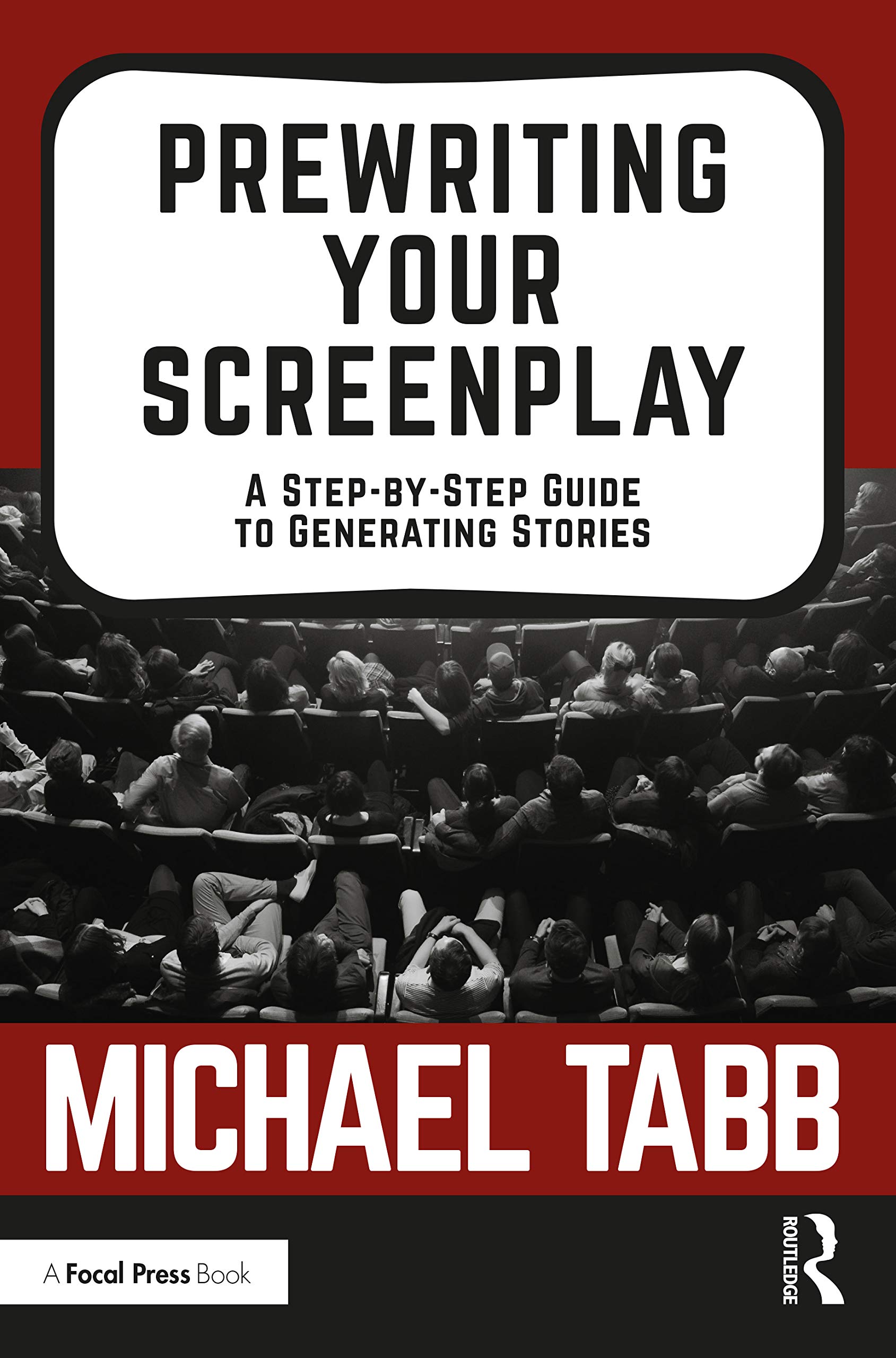
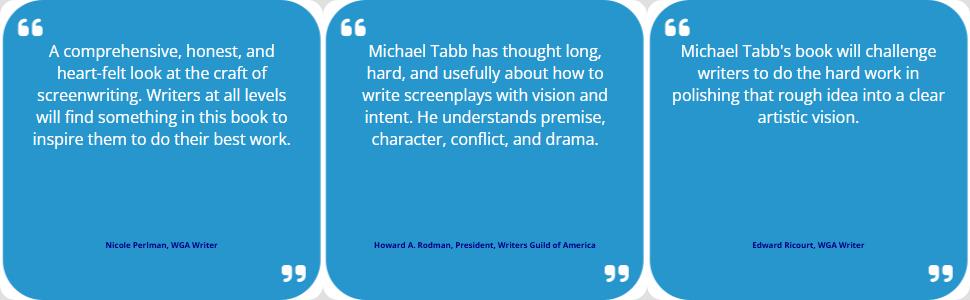
I bought this book when it was published, and I thought I had written a review about it. That said, this review is LONG OVERDUE!I am a former student of Mr. Tabb, and his class was the highlight of my master's degree. When he introduced his concept of a premise, I felt something was wrong with my academic journey for the first time. I thought, "did I miss something?" because it does not align with anything I have studied before, but it made perfect sense! The book was yet to be published, but it was clear that this concept would be a part of it. I had never been so excited to purchase a book before it hit the market. If the premise was mind-blowing, then just the thought of more concepts made this buy a no-brainer.As a scholar, you understand that what you learn during your academic journey won't make a good conversation for those not in the field. The chances are that you bore them or you incite a Q&A session rather than a conversation. But what happens when people from within the field start scratching their heads because they don't understand your perspective? This book puts you in that particular situation because Mr. Tabb's concept of the premise was technically nonexistent in screenwriting material until now. Mr. Tabb references another book with a similar take on this concept, but the book is not considered screenwriting material, in my opinion.This book covers everything that you need to understand when writing a screenplay effectively. This is how I see what this book has to offer:The meaning of it all, the big-bang, the premise.The perspective that defines everything, the universe, the genre.The elements of the story's foundation, the planet, the brainstorm.The defining components, the essential people, the characters, and their types.The mechanics, the mutual casualty that moves the story, character relationships.The book also includes how to piece a logline together and a chapter on the three-act structure. Every chapter includes examples and exercises that lead you to develop a part of your story. Therefore, once you reach the end of this book, you are ready to write your screenplay if you have done every exercise.The best addition to this book was the chapter on reverse-engineering the premise. Without a doubt, the premise will be the most challenging part of story development, every single time. It is the nuts and bolts of your foundation, hence the importance of this book. This book could have had only one chapter, the premise, and still be THE book to have. The reverse-engineering chapter takes your idea, your story and builds backward into the premise. Once you identify the premise, you will notice all the characters and details that align with your story's purpose. You will also identify everything that doesn't align with your premise, and you will have the tools to make corrections accordingly.This is not the only book to have in your arsenal, but it is one of the books you MUST have if you intend to master screenwriting. That being said, if you are serious about screenwriting, then this book needs to be in your library.PS: I want to comment on the book's material quality and visual value because it is so important to me, and it is the lesser of details in the reviews that I have read. The paperback cover is of good quality, and it feels as if it had a thin coat of wax. Yellow markers do not bleed through the page, which is a huge plus. It is sad when you highlight something and then have a visual residual on the opposite side of the page. The pages are smooth and have a matt white, perfect for reading with a lot of light source in the background. The structure of the writing is visually entertaining. You won't feel intimidated or feel like your reading a novel. Headings, drawings, examples, among other creative insights, will keep you going.
G**S
not your average screenwriting book
I have an extensive collection of screenwriting books dating back to the 80s when I first discovered that "screenwriting" was a thing you could do. my first book on the subject was by Syd Field, but for a long time I bought and read nearly every book on the subject - from the biggies (Snyder, Hague, McKee, et al) to the bibles and right down to that infamous one about writing a script in 21 days (I have done but no thanks to that book). There's a trend among most of them which is to focus on the broad strokes of structure and dialogue, and each has their own system with page counts and diagrams and whatnot.But very little time or energy has ever been put into the preparation to get there, and why preparation is valuable, and how to do it in a way that makes writing the script a more satisfying and successful process - until Michael Tabb. This truly is a one of a kind screenwriting book that's less about the what of screenwriting which has been covered to death in so many other books, classes, podcasts - but the why and how.Step by step, page by page, Tabb details the path to develop a story that's not just a plot but a meaningful exploration of morality, beliefs and the human condition, how to understand and build characters that all reflect and enhance that core theme, and how to ramp that into a traditional 3-act structure.His breezy, friendly writing style makes what should seem like an overwhelming mountain of preparation (and a great reason to avoid starting your script) into a conversation with your buddy who just happens to be a longtime working WGA writer. This is an exceptional nuts and bolts guide to process - the heart and muscles and organs and nerves, more so than the bones and skin and clothes that other books focus on. It's not just a narrative of how to, but contains lists of questions and prompts to help you get moving. The character section alone is worth the price of the book, with a deeply insightful look at the various roles and archetypes that are essential to crafting a great screenplay.I blasted through this book in a couple days, but will be using it as an essential reference guide - much like I do with the Save the Cat books for a structure and genre tropes - and while I have a really nice bookshelf with a catalog of screenwriting books that gather dust, this will be sitting on my desk gathering coffee mug stains and folded page corners and sticky notes as I turn to it again and again for help, guidance and inspiration.
S**A
Amazing tool
I know Michael Tabb- I could hear his voice and see his passion through this whole book. The brilliant foundation for storytelling in this book applies across all media and genres. I relied upon it heavily when creating an intro to creativity writing class at my local junior college. If my house was on fire, I’d save this book.
A**T
Best Book !!
This book is SO SO great! It includes everything that anyone needs to learn Screenwriting! I read before some books but they were not effective and easy to understand like this one! This taught me literally everything I want! I don't know those who didn't buy it and get the chance to read it yet what they are waiting for!?I found this book great for everyone. Even if you are an experienced one in screenwriting, this book can help you when you experience writer's block.Personally, I'm a beginner and this book help me a lot to come up first with a premise and teach me this conceptand then evolve my story from a logline into a well-structured three-act outline.Thank you so much, Mr. Michael Tabb for this book !
Trustpilot
Hace 1 mes
Hace 3 semanas